
Speed to Lead: Why the First Five Minutes Decide Who Gets the Job
Speed to Lead: Why the First Five Minutes Decide Who Gets the Job
An enquiry lands on your website at 7:40pm on a Tuesday. You see it the next morning, somewhere between a site visit and a quote you promised on Friday. You reply at 11am with your availability and a fair price.
They booked someone else at 8:15 the night before.
Nothing in that story is a service failure. You didn't ignore anyone. You were working. And that is the uncomfortable part about lost enquiries: most of them aren't lost on price, quality or reputation. They're lost on timing.
The Competition Got Faster Without Telling You
For most of the last decade, every small service business in Australia answered enquiries the same way: whenever the owner got to a screen. If you took until the next morning, so did the business quoting against you. Slow was the industry standard, so slow cost you nothing.
That has changed quickly, and the national numbers show how quickly.
Twelve per cent is still a minority, and that's the part worth noticing. This isn't a market where you've already been left behind. It's one where the gap is opening right now, and being on the right side of it is still available to you.
Why Replying Fast Is Genuinely Hard
This isn't a discipline problem. The structure of a small service business works against fast follow-up in three specific ways.
Enquiries don't arrive during business hours
People research after dinner, on weekends, and during their own lunch break. That's the same window where you're finally away from the desk. The enquiry sits overnight, and overnight is long enough.
Follow-up competes with paid work
When you're on the tools or in front of a client, stopping to answer an enquiry costs billable time. So it waits. And on a full week, it keeps waiting.
One reply is rarely enough
Most enquiries need two or three touches before anyone books. If the first reply takes a day, the second takes a week, and the third never happens at all.
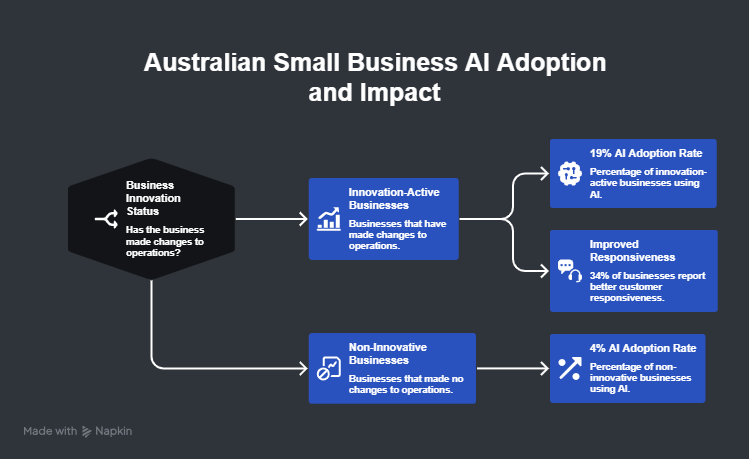
Before you decide this doesn't apply to you, get your own number. Take your last 20 enquiries and measure the gap between arrival and reply. It's the only benchmark that matters here.
What an Instant Response System Actually Does
This isn't a pop-up that says an agent will be with you shortly. It's the same automation you'd apply anywhere else, pointed at the first sixty seconds. A working system does four things, and it does them whether you're on site, asleep, or on annual leave.
The Bottom Line
Get more leads, make more sales, keep more customers.
Speed to lead sits right at the front of that, because an enquiry you answer tomorrow was somebody else's customer last night.
You don't need to be more available. Your business does. That's a systems problem, and it's a solvable one.
Suggested Reading
See how the AI chat agent and AI voice agent handle this, or read more breakdowns at oscale.ai/news.